

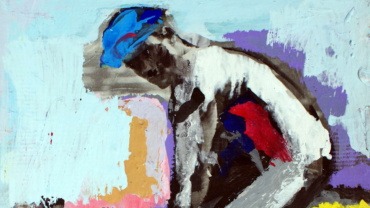
One of my first paintings was a sleeping blue-and-white friar. I generally painted meadows, landscapes, animals, and convent scenes—simple, soothing themes in harmony with my character and my homeland. I had the opportunity to consult the monographs of the Impressionists and other contemporary artists, which…
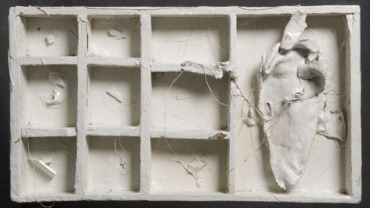
Arriving at his studio, I expected to see the colorful abstractions I was familiar with, but instead I saw multiple, all-white objects. My friend then told me, very simply, that he had renounced color to achieve, with minimal means, the maximum in poetry.He said, “I…
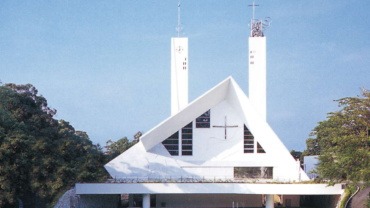
Father Ruggeri’s research has always aimed to celebrate the intertwining of faith and art. […]It is especially in churches that that truth becomes stone, or rather, becomes a living body, because in his temple, Father Costantino brings together space, matter, light, humanity, and mystery in…
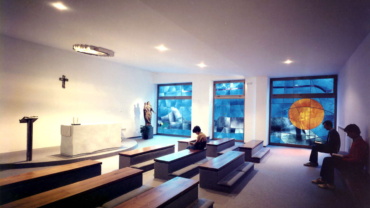
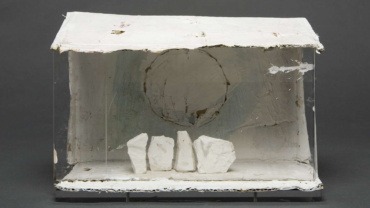
Beyond any aesthetic intent, the proposal of these CELLS—intended as the “ancient heart” of the most transparent and courageous “future”—invites us to rediscover the first garden, Eden, at the dawn of the world.A space that is mystical rather than sacred; not organic, but image, light,…
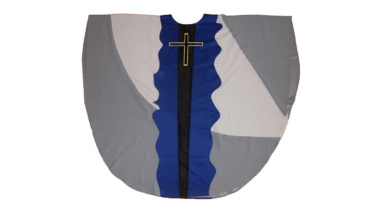
It can be said that the graphic translation of models and ideas for chasubles and vestments provided the artist’s sensibility, nature, and poetics with a unique tool, a field of inquiry always open to the sovereign freedom of mind and hand, to the joy of…
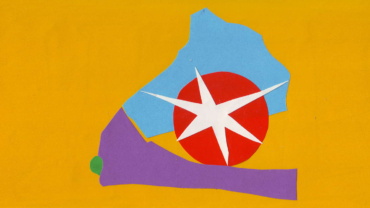
By his own happy choice, and because the Canepanova Convent is located there, Costantino Ruggeri draws, paints, and pastes. […] For thirty years, an experimental artist one rarely encounters, sheltered from fashion, inoculated against fame, he has drawn as only a brilliant eclectic can, involving…
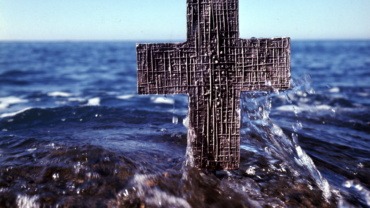
The problem of sacred furnishings challenges me as a man, as an artist, as a believer.As with the temple, creative aesthetic intervention on furnishings is decisive, even from a liturgical perspective, only if it preserves and develops this innocence and routine, illuminating them only with…